Jul 21, 2026Industry Insights
Solving Loose-Pack Defects in Soft-Pack Cigarette Production with Vision Inspection
Loose-film-pack defects slip past operators at high machine speeds and mechanical or photoelectric detectors false-reject too often. Here is how image processing with high-speed scanning cameras.
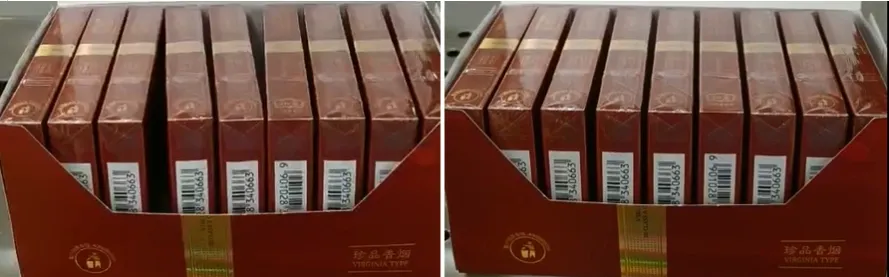
After soft packs are wrapped in film and pass through the forming wheel, loose-film-pack defects occur for a variety of reasons. At high machine speeds, operators can hardly detect and control these defects, and defective packs frequently reach the market, damaging product reputation.
Why Conventional Detectors Fall Short
Existing mechanical and photoelectric loose-pack detectors on the market suffer from frequent false rejects, inaccuracy and insufficient detection capability. Detectors installed at the forming-wheel exit mainly inspect the film on the two large faces of the pack; the film on the top, bottom and sides cannot be inspected online, leaving a gap in defect detection for the pack ends and sides.
The Vision Inspection Approach
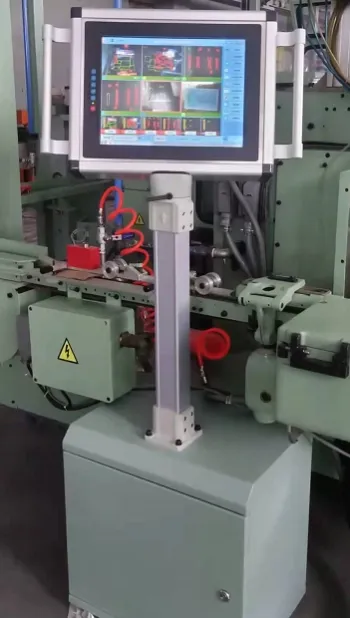
A vision inspection device equipped with high-speed scanning cameras, a line-shaped laser source and LED illumination captures the pack surface as it passes. Proprietary image processing software analyzes the images, identifies loose, bubbled, wrinkled or missing film and label paper, and sends a reject signal that ejects only the defective pack from the line while normal packs are unaffected.
From Two Cameras to Full-Surface Coverage
A two-camera configuration at the forming-wheel exit covers the two large faces; a three-camera configuration adds both pack ends; and a five-camera configuration covering front, back, top, bottom and sides delivers comprehensive film appearance quality control with a reject rate of at least 99.99 percent and a false reject rate of no more than 0.01 percent. These systems are in mature use at numerous cigarette factories on G.D, FOCKE and ZB packaging machines.
Three camera configurations close the detection gap step by step.
Two cameras at the forming-wheel exit: the two large faces of the pack
Three cameras: adds both pack ends
Five cameras covering front, back, top, bottom and sides: full-surface film appearance control with a reject rate of at least 99.99 percent
If loose-pack or film appearance defects are reaching your market, send an inquiry with your packaging machine model and line speed, and our engineers will propose the camera configuration that closes your detection gap.